In Goma, Democratic Republic of Congo, workers at the Nyiragongo Volcano Observatory have been on strike since September 13 of this year due to not receiving their salaries.
In Goma, Democratic Republic of Congo, workers at the Nyiragongo Volcano Observatory have been on strike since September 13 of this year due to not receiving their salaries. They are demanding payment of nine months’ worth of unpaid wages, while the monitoring of the Nyiragongo and Nyamulagira volcanoes remains unattended.
This situation poses potential risks, as these volcanoes are among those capable of erupting and causing significant harm to the surrounding areas, especially Goma and its neighboring regions.
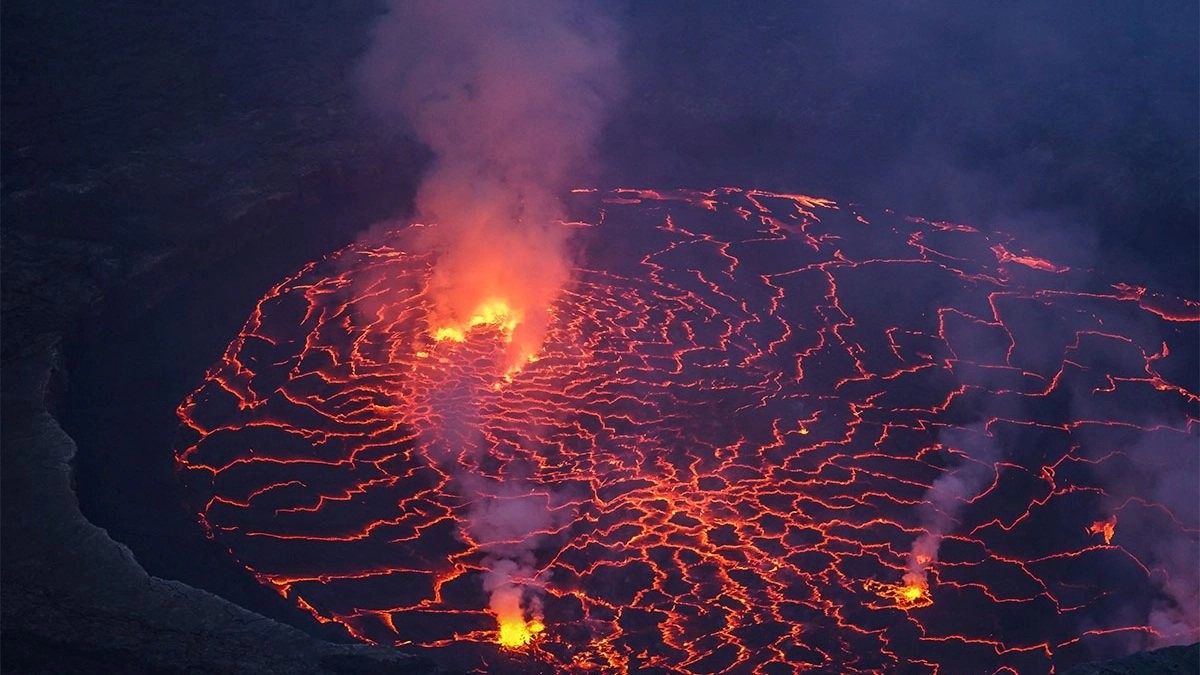
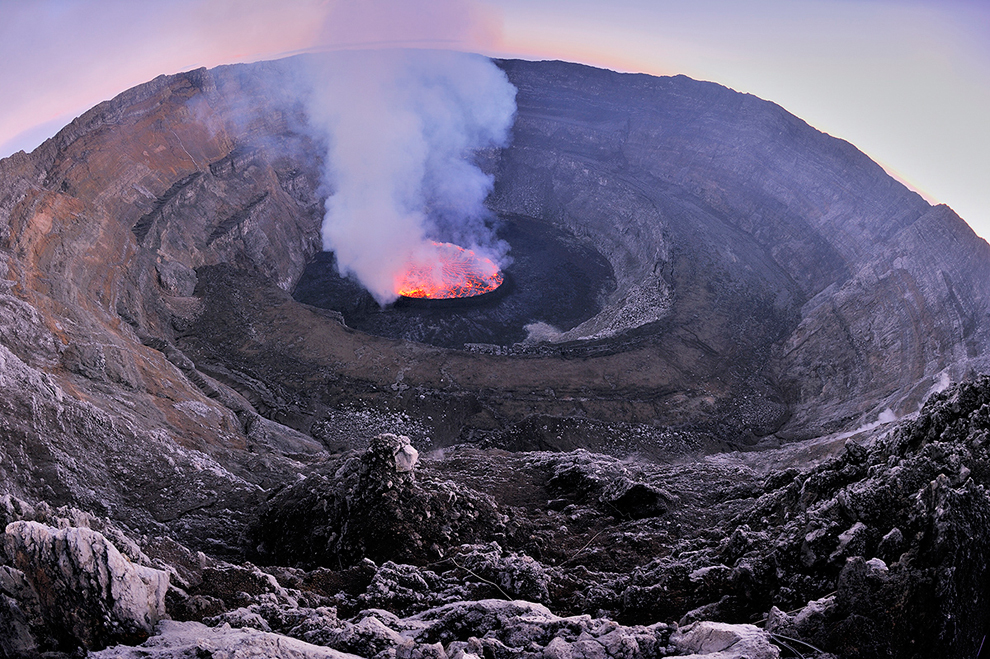
The situation in Goma, Democratic Republic of Congo, is particularly concerning because both the Nyiragongo and Nyamulagira volcanoes are highly active and pose significant risks to the local population.
- Nyiragongo Volcano: It is one of the most dangerous volcanoes in the world due to its fast-moving lava flows. The 2002 eruption caused widespread destruction in Goma, displacing hundreds of thousands of people and destroying large parts of the city. Continuous monitoring is crucial to predict future eruptions and mitigate the risks.
- Nyamulagira Volcano: Located near Nyiragongo, Nyamulagira is also an active volcano. Though its eruptions tend to be less destructive to human settlements, it still releases large amounts of lava and can influence the regional environment.
The Strike:
Workers at the Nyiragongo Volcano Observatory have been on strike since September 13, 2024, due to unpaid wages for nine months. This observatory plays a critical role in monitoring volcanic activity and issuing early warnings to protect the residents of Goma and surrounding areas. Without their monitoring, the region is vulnerable to being caught off-guard by volcanic eruptions, which can have devastating consequences.
The lack of funding and support for these observatories has been a recurring issue in the region. Previous eruptions, like in May 2021, caught authorities off-guard partly because of gaps in monitoring, which were also tied to financial and logistical challenges.
Potential Risks:
- Without proper monitoring, small signs of volcanic activity, like tremors or gas emissions, might go unnoticed, delaying crucial warnings to the population.
- The population of Goma lives close to these active volcanoes, and a sudden eruption could lead to loss of life, property damage, and displacement.
Broader Implications:
This strike highlights the importance of adequately funding and supporting scientific institutions in areas prone to natural disasters. Lack of resources for monitoring could lead to preventable disasters, affecting not just the local population but the stability of the entire region.